Widows Empowerment Program
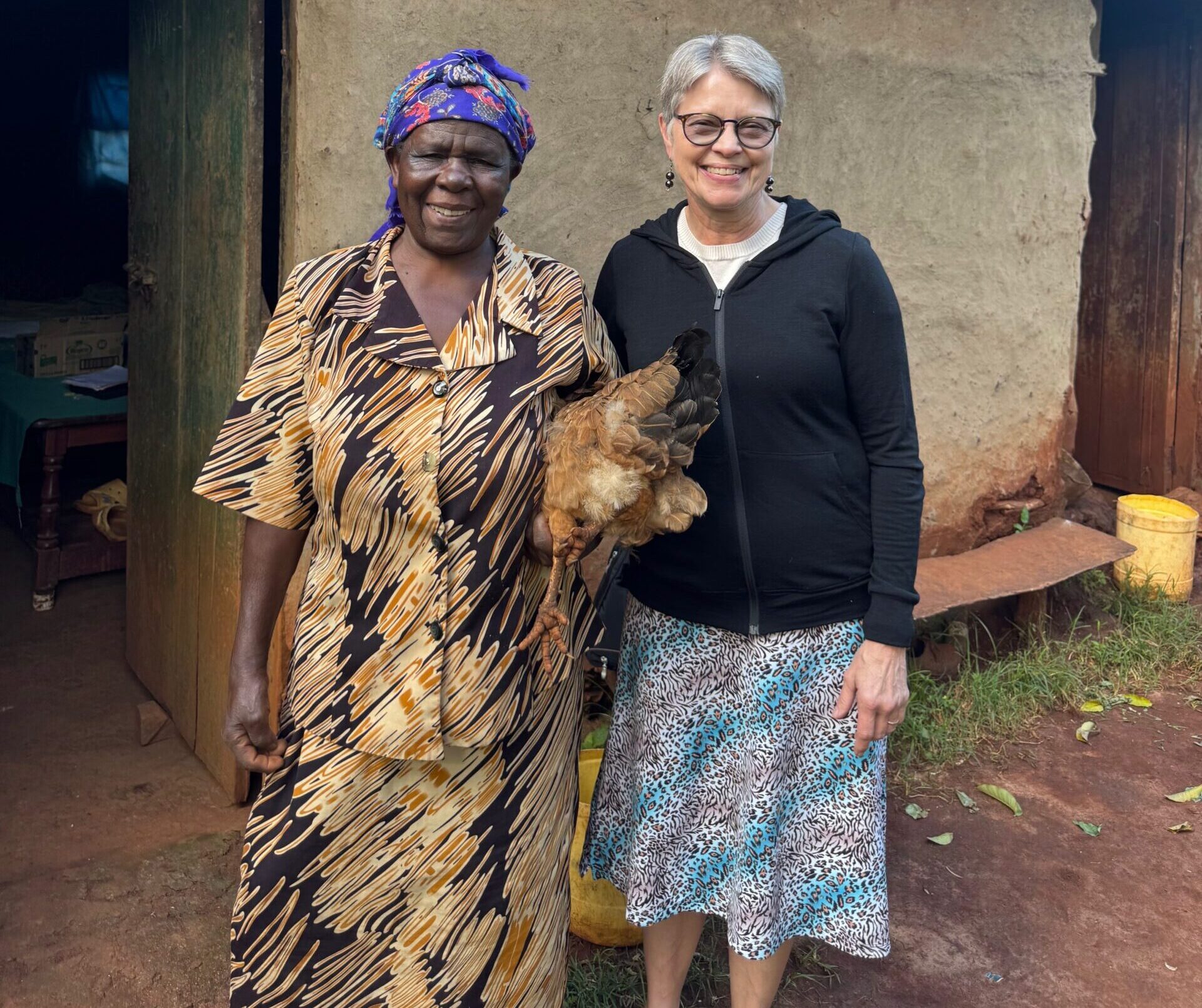
Widows’ Shelter and Empowerment Program
Addressing the Needs of Widows: Walking with the Vulnerable
Introduction
In most African communities, widows are among the most vulnerable people in society. In the Musembe/Muliro region of rural Kenya, many widows are trapped in severe poverty, social exclusion, and lack safe or dignified shelter. Some have been rendered homeless by cultural practices that deny them inheritance. Meanwhile, others live in dilapidated houses so rundown that they provide little safety, security, or dignity for them and their children. For these women, a house is more than just a shelter. It signifies safety, a sense of belonging, and a secure future. Without a dignified shelter, widows face risks of exploitation, ill health, and the harsh stigma of being “abandoned” by the community.
The Marafiki Organisation has launched a programme to walk alongside the vulnerable; moreover, walk with them. Marafiki, which means “friends” in Swahili, is about supporting those on the margins of society. Our ministry is not about handouts or even charity, but about building relationships with people by their side and empowering them with dignity, hope, and strength. The Widows’ Shelter and Empowerment Programme is part of Marafiki’s vision to rescue vulnerable women from cycles of poverty and neglect. By collaborating with community-based women’s groups, Marafiki will fund the construction of small, simple houses for the neediest widows and provide connections to long-term economic empowerment.
A house is a vital step for these women to restore their dignity, but it is not the only thing they need. This program is also about:
- Helping restore dignity and belonging for widows who are socially excluded.
- Providing a practical element of security where there is none.
- Opening up avenues of economic empowerment and self-sufficiency.
- Creating a community of care where widows know they are not alone.
Purpose of the Program
The purpose of the Widows’ Shelter and Empowerment Program is two-fold:
- Immediate Rescue: To provide safe, simple, and dignified housing for widows in the most desperate situations, including those who are homeless and those whose housing is in deplorable condition.
- Long-Term Empowerment: To pair housing support with long-term empowerment, such as small-scale economic initiatives, savings groups, and skills training, so that widows are not only sheltered but also equipped to support their lives with dignity.
Through the combined support of shelter and empowerment, Marafiki envisions changing widows’ stories from being hopeless to stories of hope, resilience, and restoration.
Objectives of the Program
Two goals motivate the Widows’ Shelter and Empowerment Programme. The first is to meet the immediate, fundamental humanitarian needs of vulnerable widows living in the Musembe/Muliro region. The second is to enable widows to attain long-term self-empowerment. The five specific objectives support both needs. They are interconnected and cannot be separated.
- Provide Decent Shelter: Adequate shelter is a fundamental human right for everyone. It is one of the essential conditions for life, alongside food and healthcare. However, many widows in Musembe/Muliro urgently need proper shelter. Some live in fragile houses at risk of collapsing, which are not durable enough to protect them from rain or cold. Others remain exposed to strong winds or traffic because their structures are falling apart and unrepaired. Many are effectively roofless or homeless, living with or depending on a relative or neighbour. The programme aims to build a simple, sturdy, and dignified house for homeless or roofless widows, providing them with a safe place to live with their children or dependants.
- Promote Dignity and Security: For a widow, lacking a safe house not only leaves her vulnerable to the elements but can also evoke feelings of shame, exclusion, and even hopelessness. In the worst cases, it may result in exploitation and abuse by others. Providing a clean and sturdy home helps a widow feel a sense of belonging within her community. It enables her to live with dignity and worth. Additionally, it offers physical security for her and her family. A solid home shields against the weather, disease, theft, and violence. Upholding this dignity allows widows to carry out their daily lives with confidence. It is also crucial for emotional and spiritual healing.
- Empower Widows Economically: While shelter is crucial, it alone does not provide a lasting solution. Without support for income-generating activities, many widows will stay poor and rely on others for aid. The programme therefore works alongside other empowerment efforts that help widows become self-sufficient. These include support and training for small businesses, connections to savings groups, or access to agricultural or vocational projects. By combining the safety of a home with income-earning tools, a widow can regain her independence and self-reliance. She can then care for her family and even contribute to the community.
- Strengthen Community Solidarity: Marafiki cannot and should not be expected to care for all widows alone. The programme is therefore designed to encourage the involvement of local churches, neighbours, or youth groups to contribute time, labour, building materials, or food during the construction of a new house. This approach fosters a culture of responsibility towards widows and enhances community solidarity. The widow is not merely a stranger living within the community; she is a valued, loved, and recognised member.
- Preserve Sustainability through Clear Criteria: To assist widows effectively, it is essential to have a fair and transparent process for selecting the most vulnerable widows. This is a sensitive matter that demands openness, a well-defined procedure, and consideration of various factors. It is not based solely on one aspect, such as housing condition or number of dependents. It also does not rely on subjective judgments like the perceived industriousness or worth of the widow. The programme has clear criteria that are publicly communicated, based on measurable data. This approach ensures that aid reaches those in greatest need, without discrimination, and fosters maximum trust. It also assures donors that their house-building efforts benefit widows selected through a fair and inclusive process.
Approximate costs per year: $6,000.
Written by Dr. John Muhanji
August 2025